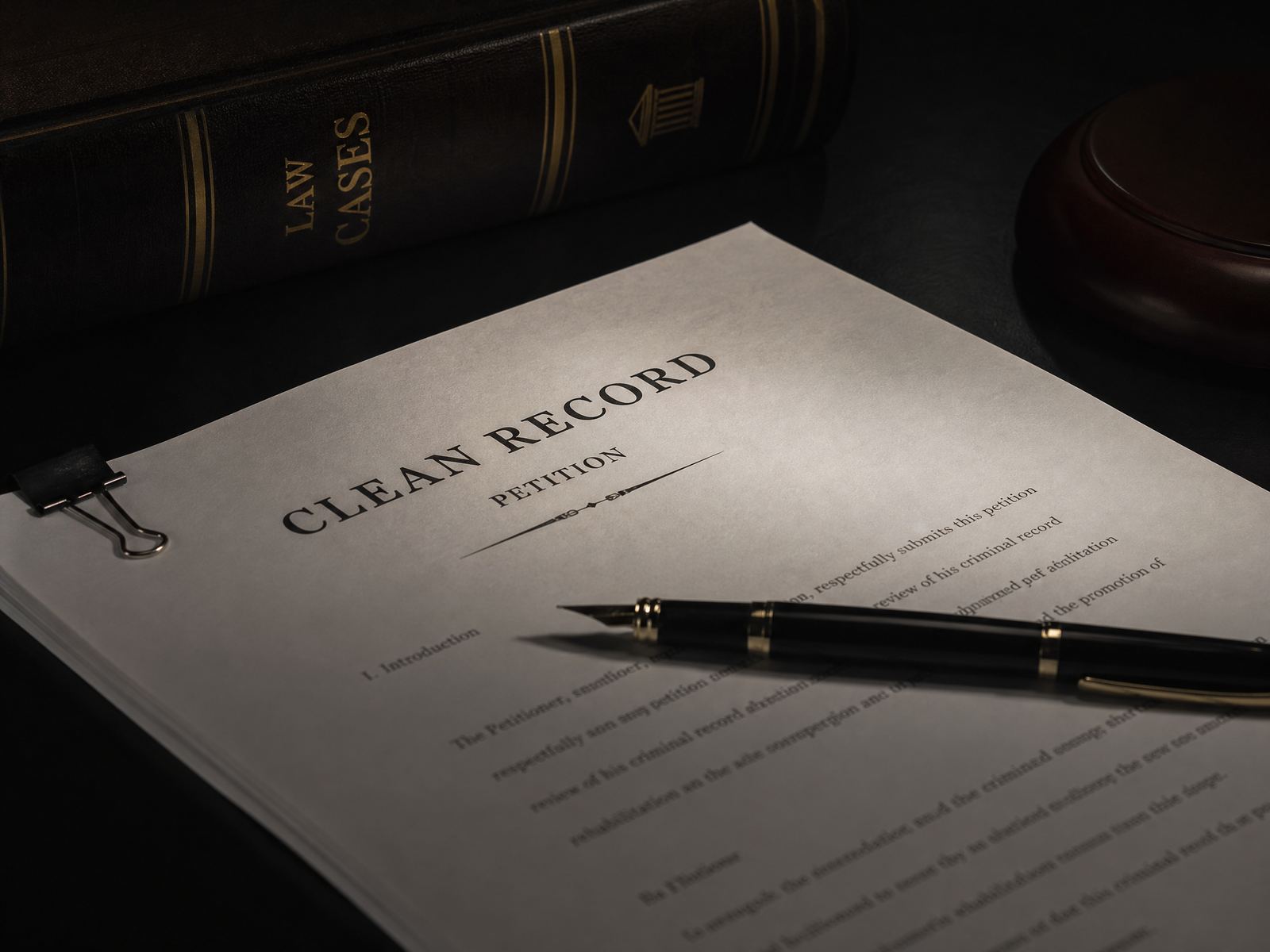
If an old arrest or conviction keeps showing up on background checks, Arizona record sealing may help. Under Arizona's sealing law, A.R.S. § 13-911, many people can ask a court to seal their criminal case records so they are no longer available to the general public, including most employers and landlords who run background checks.
Sealing is not automatic. You generally have to file a petition, meet eligibility rules, and wait a set period of time after finishing your sentence. Some serious offenses are not eligible at all. But for a large number of Arizonans with older misdemeanors, lower-level felonies, or arrests that never led to a conviction, sealing can make a real difference in getting a job, renting a home, or simply moving on.
This article explains who usually qualifies, how the waiting periods work, how sealing differs from a set-aside, and what the process looks like. It is general information, not legal advice. Because eligibility depends on the details of your record, and because the law can change, it is worth having your specific situation reviewed before you file.
What Arizona Record Sealing Actually Does
Arizona's sealing statute took effect at the beginning of 2023. Before then, Arizona had no general way to remove a conviction from public view. The main tool was a "set-aside," which leaves the conviction visible but notes that it was set aside.
When a court grants a petition to seal, the records connected to that case (arrest, charges, and conviction) are restricted from public access. In practical terms, sealing generally means:
- Most background checks should not show the sealed case. Private employers, landlords, and the public generally cannot see it.
- You can usually say you were not arrested or convicted on many applications, such as most job, housing, and school applications, when asked about the sealed case.
Sealing is powerful, but it is not erasure. Law enforcement, prosecutors, and courts can still access sealed records in certain situations. There are also important exceptions to the "you can deny it" rule. For example, applications for law enforcement jobs, positions requiring a fingerprint clearance card, and certain professional licenses may still require you to disclose a sealed case. A sealed conviction can also generally still be used as a prior offense if you are charged with a new crime later.
Sealing vs. Set-Aside: What's the Difference?
People often confuse these two remedies, and many people end up using both. If you want a deeper look at set-asides, see our guide on how to get a criminal record set aside in Arizona.
Set-aside (A.R.S. § 13-905)
- Can often be requested soon after you complete your sentence.
- The conviction stays on your record, but it is marked "set aside" and the charges are dismissed.
- Background checks will usually still show the case, along with the set-aside notation.
- It signals to employers and others that you completed your sentence and a judge granted relief.
Sealing (A.R.S. § 13-911)
- Usually requires waiting a set number of years after you complete your sentence.
- The record is hidden from most public access.
- Most people who run a background check will not see it at all.
A common approach is to request a set-aside as soon as you are eligible, then petition to seal once the waiting period has passed. A set-aside is not a requirement for sealing, but having one can be helpful context for the judge reviewing your petition.
Who Qualifies for Record Sealing in Arizona?
Eligibility depends on what happened in your case. Here is how it generally breaks down.
Arrests and charges that did not lead to a conviction
If you were arrested but never charged, your charges were dismissed, or you were found not guilty, you can generally petition to seal those records without the waiting periods that apply to convictions. For many people, this is the most straightforward kind of sealing request.
Convictions
To seal a conviction, you typically must:
- Complete every term of your sentence, including jail or prison, probation, community restitution, classes, and other conditions.
- Pay all fines, fees, and restitution owed in the case. Unpaid restitution is a common reason petitions are delayed or denied.
- Wait the required period after completing your sentence (see the next section).
- Avoid new convictions during the waiting period. A new conviction can extend the time you must wait.
Offenses that are generally not eligible
Arizona excludes certain serious offenses from sealing. These generally include dangerous offenses, dangerous crimes against children, serious, violent or aggravated felonies as defined by Arizona law, offenses involving the use or threatening display of a deadly weapon or the knowing infliction of serious physical injury, and many felony sex offenses, among others. If you are unsure where your conviction falls, an attorney can review the exact charge and sentencing records. The difference between a felony and misdemeanor class matters a great deal here, and our article on felony vs. misdemeanor in Arizona explains how those classes work.
Arizona Record Sealing Waiting Periods
The waiting period starts after you have finished all terms of your sentence, not from the date of your arrest or conviction. Based on our understanding of A.R.S. § 13-911, the general waiting periods are:
| Offense class | General waiting period after completing sentence |
|---|---|
| Class 2 or 3 felony | 10 years |
| Class 4, 5, or 6 felony | 5 years |
| Class 1 misdemeanor | 3 years |
| Class 2 or 3 misdemeanor | 2 years |
A few important points about these timelines:
- Prior convictions can lengthen the wait. If you have a historical prior felony conviction, the waiting period is generally extended.
- New convictions reset expectations. Picking up a new conviction while you are waiting can affect when you become eligible.
- The rules can change. The sealing law is still relatively new, and the legislature has adjusted it before. Always confirm current eligibility for your specific case before filing.
What about marijuana convictions?
Arizona has a separate process for certain past marijuana offenses, often called "expungement," which came from the voter-approved marijuana law. It is a different procedure from sealing under § 13-911. If your record involves a marijuana offense, ask about both options. Our drug charges page has more on how Arizona handles drug cases.
How the Sealing Process Works
The process is handled through the court, and while the forms are available to the public, mistakes can lead to delays or a denial.
- Gather your records. You will need case numbers, the court(s) involved, conviction dates, and proof that you completed your sentence and paid what you owed. If you have cases in more than one court, you may need to address each one.
- Confirm eligibility. Check the offense class, any excluded offense categories, your sentence completion date, and whether any prior or later convictions affect your waiting period.
- File the petition. The petition is typically filed in the court where the case was handled (or where the arrest occurred, for cases that never reached court). The prosecutor generally receives notice and has an opportunity to respond.
- Court review. A judge reviews the petition and any objection. In some cases, there may be a hearing. Judges generally consider factors such as the nature of the offense, your conduct since then, and your reasons for wanting the record sealed.
- The decision. If granted, the court issues an order sealing the records, and the relevant agencies are notified. It can take some time before every database reflects the change.
If the petition is denied, you may have options, including refiling later. Rules on how soon you can refile can vary, so ask about this up front.
Why the Details Matter
Record sealing petitions can look simple on paper, but small errors matter. Common problems include:
- Miscalculating the waiting period or the sentence completion date
- Overlooking an old case in a different court, such as a city court misdemeanor
- Unpaid restitution or fees you did not know about
- Not realizing an offense falls into an excluded category
- Filing in the wrong court or missing required information
A well-prepared petition also tells the judge why sealing is appropriate: steady work, family responsibilities, education, community involvement, and time without new offenses. A judge has discretion, so presenting your history clearly and accurately can matter.
It also helps to know what sealing will not do. If you are worried about a pending case, sealing is not the right tool yet. Focus first on the current charges. Our pages on DUI defense and assault and domestic violence explain how those cases typically proceed.
Next Steps: Getting Help With Arizona Record Sealing
If an old arrest or conviction is holding you back, you may have more options today than you did just a few years ago. The first step is finding out whether your record qualifies under current law, when you become eligible, and whether a set-aside, sealing, or both make sense for you.
Jess A. Lorona has over four decades of criminal defense experience and is a former prosecutor. Our firm handles expungements, set-asides, and record sealing for clients in Phoenix, Scottsdale, Mesa, Tempe, and throughout Arizona.
We offer free consultations and are available 24/7. Call (602) 385-6818 or reach out through our contact page to talk about your record and your goals. Remember, this article is general information only, and every record is different.